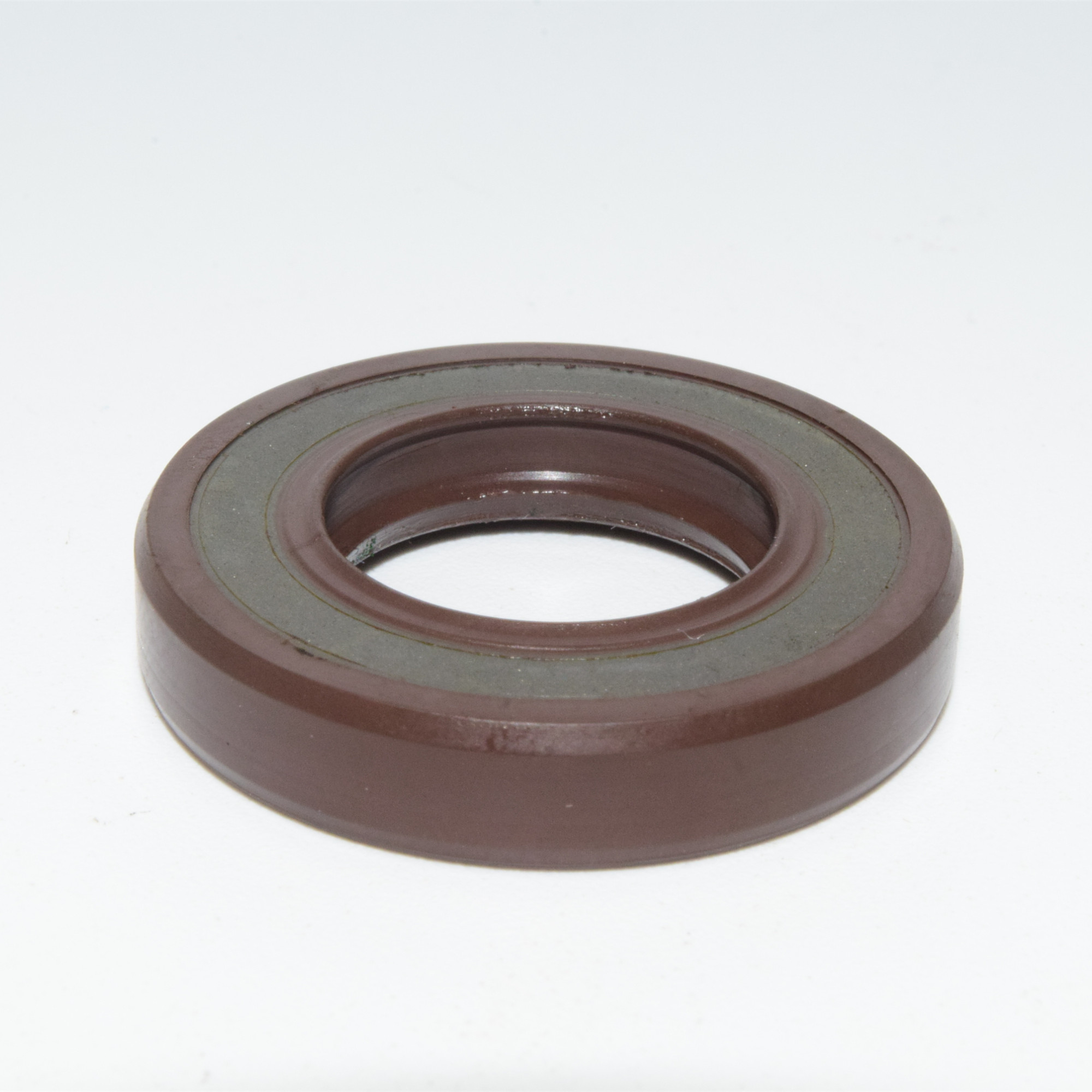
Proven Methods to Reduce Oil Seal Failures in Combine Harvester Hydraulic Pumps
Oil seal integrity is vital to the performance of combine harvester hydraulic systems. Frequent failures result in leaks, downtime, and increased costs. This article outlines practical solutions based on field data and engineering research.
Seal Stress Factors
In combine harvesters, seals experience axial and radial loads, vibration, and high fluid pressures. These conditions lead to fatigue, especially if seal materials are not optimized for such environments.
Material Resilience
Polymers such as fluorosilicone and ultra-high molecular weight polyethylene (UHMWPE) offer improved wear resistance. These materials maintain flexibility under thermal cycling and provide longer service intervals.
Design Adaptations
Using split seals or integrated shaft seals allows quicker maintenance and better fitment. Enhanced lip geometry with hydrodynamic aids ensures effective sealing even during pressure spikes.
Lubrication Enhancement
Proper lubrication reduces heat and friction. Grease reservoirs and oil mist systems extend seal life by maintaining a thin protective film, minimizing direct contact and wear.
Field Service Best Practices
Technicians must avoid hammering or forcing seals into position. Using alignment tools and pre-lubricating seals during fitting reduces the chance of early failure due to mechanical stress.
Conclusion
With the right materials, seal designs, and handling techniques, oil seal reliability in combine harvester hydraulic systems can be significantly improved. This reduces total cost of ownership and enhances uptime during peak harvesting periods.
SEO Keywords: oil seal reliability, combine harvester downtime, UHMWPE seals, fluorosilicone performance, seal wear reduction, axial load handling, lubrication methods, split shaft seals, hydrodynamic seals, harvester maintenance tips
.png)